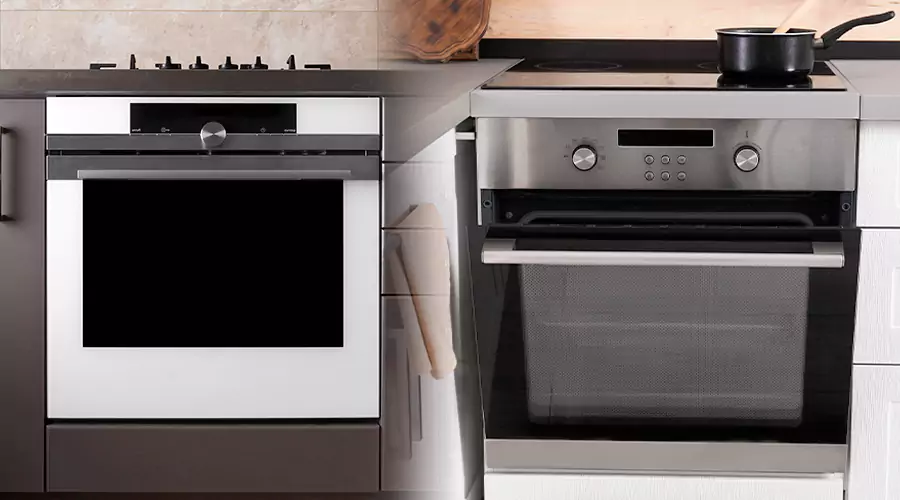
Choosing between electric oven vs gas oven depends on how you cook each week. Electric works better for baking because it holds steady dry heat. Gas works better for roasting because it heats fast and adds moisture inside the oven cavity. Regular appliance maintenance can also help either type of oven perform more efficiently and last longer.
A gas oven vs electric oven choice also depends on your kitchen setup. Gas needs a safe gas line and proper ventilation. Electric needs the right outlet and enough electrical capacity.
Quick Answer
The best oven for cooking depends on your main cooking style. Choose electric if you bake cakes cookies bread and casseroles often. Choose gas if you roast meats cook large dinners and want fast heat response.
Electric gives better temperature stability for most baked goods. Gas gives faster heat recovery after you open the oven door.
Electric Oven and Gas Oven Comparison
This simple oven comparison guide can help you understand the main differences.
| Feature | Electric Oven | Gas Oven |
|---|---|---|
| Heat source | Electric heating elements | Natural gas or propane flame |
| Best use | Baking and even cooking | Roasting and moist heat cooking |
| Preheat speed | Usually slower | Often faster |
| Temperature control | Very steady | Can fluctuate more |
| Moisture level | Drier heat | More humid heat |
| Installation | Needs proper electrical supply | Needs gas line and ventilation |
| Cleaning options | Often includes self-clean | Varies by model |
| Cooking style | Great for baked goods | Great for meats and casseroles |
How Electric Ovens Work?
An electric oven uses heating elements to warm the oven cavity. The lower element handles baking while the upper element handles broiling.
Many models include convection fans that move hot air around the food. This steady airflow supports even browning and better heat coverage.
Electric Oven Baking
Electric oven baking works well because the oven holds a stable temperature after preheating. Dry heat helps cookies brown evenly and helps cakes rise with fewer temperature swings.
Home bakers usually get better results with electric heat. The stable environment supports recipes that need accurate temperature control.
Electric Oven Benefits
The main electric oven benefits include steady heat simple controls and strong baking results. Electric ovens also give good performance for casseroles roasted vegetables and sheet pan meals.
One-Line Electric Oven Advantages
- Electric ovens usually bake more evenly.
- Electric ovens often hold steady temperatures.
- Electric ovens work well for cookies and cakes.
- Electric ovens may include more advanced control panels.
- Electric ovens do not need a gas line.
Electric Oven Pros and Cons
Understanding electric oven pros and cons helps you choose with clear expectations.
Pros
- It gives steady heat for baking.
- It often has accurate temperature settings.
- It can offer strong broiling performance.
- It is easy to install where proper power is available.
Cons
- It may preheat more slowly.
- It can raise electricity use.
- It may take longer to cool down.
- It depends on a strong electrical connection.
Electric Range Advantages
The main electric range advantages include easier cooktop cleaning and steady oven heat. Glass cooktops wipe clean faster than many gas grates when spills are handled early.
Electric ranges also fit homes that do not have a gas line. Installation stays simpler when the correct outlet already exists.
How Gas Ovens Work?
A gas oven uses a burner flame to heat the oven cavity. The flame turns on and off to hold the selected temperature.
Gas heat creates a more humid cooking space than electric heat. That moisture helps roasted meats and casseroles stay tender during cooking.
Gas Oven Cooking
Gas oven cooking gives fast heat and quick temperature recovery. The oven regains heat well after the door opens during large meal prep.
Many cooks like gas because the appliance feels responsive. The flame based system also works well for meals that need moist heat.
Gas Oven Benefits
The main gas oven benefits include:
- Gas ovens often heat quickly.
- Gas ovens can help keep roasted food moist.
- Gas ovens work well for casseroles and meats.
- Gas ovens may cost less to run in some areas.
- Gas ovens can suit cooks who prefer flame-based appliances.
Gas Oven Pros and Cons
Knowing gas oven pros and cons can help you decide if gas fits your kitchen.
Gas ovens work well for many everyday meals.
They may require more attention for baking.
Temperature swings can affect delicate recipes.
Pros
- It preheats quickly.
- It creates moist heat for roasting.
- It may offer lower energy costs in some homes.
- It can keep cooking during some power situations if the model allows manual ignition.
Cons
- It needs a safe gas connection.
- It may bake less evenly than electric.
- It can require more ventilation.
- It may need professional installation.
Gas Range Advantages
The main gas range advantages show up on the cooktop. Gas burners respond fast when you raise or lower heat.
This control helps with simmering sautéing and boiling. Active home cooks often prefer gas when stovetop control matters more than baking precision.
Gas Range vs Electric Range
The gas range vs electric range decision includes both the oven and cooktop. Gas wins for quick burner response. Electric wins for baking stability.
Choose gas if you cook on the stovetop more than you bake. Choose electric if cakes cookies bread and casseroles matter more in your kitchen.
Kitchen Range Comparison
A practical kitchen range comparison starts with your cooking habits. A weekly baker benefits from electric heat. A family that cooks large dinners benefits from gas heat response.
Your home setup matters too. A house with no gas line usually makes electric the simpler choice. A house with an existing gas line makes gas easier to consider.
Which Oven Is Better for Baking?
Many buyers ask which oven is better for baked goods because baking needs steady heat. Electric is the better choice for most baking because it gives dry and even heat. Gas still bakes well when you use the right rack position and monitor temperature. Electric gives more predictable results for delicate recipes.
Oven Energy Efficiency
Oven energy efficiency depends on utility rates insulation oven design and cooking habits. Gas costs less in areas where natural gas rates are low. Electric performs well when the oven has good insulation and efficient convection settings. The most practical choice depends on your local energy cost and daily use.
Home Cooking Appliances and Daily Use
Modern home cooking appliances should match your real routine. A busy family benefits from faster preheating and strong recovery after the door opens.
A home baker benefits from accurate heat and even browning. A smaller household benefits from easy cleaning and simple controls.
Oven Buying Guide
A smart oven buying guide should begin with fuel type and cooking style. Check your kitchen setup before shopping.
What to Check Before Buying?
- Check whether your kitchen has gas or electric hookups.
- Measure the space before choosing a range.
- Review oven capacity for family meals.
- Look for convection if you want faster cooking.
- Choose controls that feel easy to use.
- Compare cleaning features before buying.
What to Check Before Buying?
Measure the range opening before choosing a model. Check the fuel hookup and confirm the appliance fits the kitchen layout.
Review oven capacity for family meals. Choose controls that feel clear during everyday cooking.
Appliance Buying Tips
Helpful appliance buying tips protect you from buying the wrong range. Do not choose by price alone because installation cost energy cost and repair access matter.
Read the owner’s manual before using special settings. The best service for oven setup includes safe connection testing and basic operation checks.
Kitchen Appliance Comparison
This kitchen appliance comparison comes down to performance convenience and fuel access. Electric ovens give stronger baking consistency. Gas ovens give faster heat response and better moist roasting.
Both options handle everyday meals when installed correctly. The better choice is the oven that matches your cooking style and kitchen setup.
Final Thoughts
Electric is the better choice for baking and steady temperature control. Gas is the better choice for fast heating moist roasting and responsive stovetop cooking.
Choose electric if you bake often and want predictable heat. Choose gas if you value quick response and traditional flame based cooking.